

What Are Shoulder Boards and Why Are They Important in Uniform Design?
Shoulder boards are structured insignia pieces attached to the shoulder area of uniforms, serving as visual indicators of rank, position, and organizational affiliation. These uniform components sit at the intersection of form and function, transforming a simple garment into a communication tool that conveys authority and identity at a glance.
The Functional Purposes of Shoulder Boards
The functional purposes of shoulder boards center on immediate identification. Military personnel, law enforcement officers, airline pilots, and security professionals rely on these devices to establish chain of command and facilitate rapid decision-making in critical situations. A colonel’s shoulder board differs distinctly from a lieutenant’s, enabling instant recognition across distances or in high-pressure environments.
The Symbolic Significance of Shoulder Boards
Symbolically, shoulder boards carry the weight of tradition and institutional heritage. The colors, materials, and insignia patterns often reference historical military campaigns, organizational values, or cultural significance. A naval officer’s gold braid echoes centuries of maritime tradition, while a police sergeant’s chevrons represent earned authority through service.
The Importance of Choosing the Right Shoulder Board
The importance of choosing the right shoulder board for your uniform design extends beyond aesthetics. Incorrect selection can undermine professional credibility, create confusion in operational settings, or violate regulatory standards. The right choice reinforces organizational identity while ensuring wearers project appropriate authority and professionalism in every interaction.
How Do Shoulder Boards Serve Functional Roles in Uniforms?
Shoulder boards transform abstract organizational structures into visible, instantly recognizable markers of authority. These uniform components display rank identification through specific insignia patterns, colors, and embellishments that communicate a wearer’s position within the chain of command at a glance.
The immediate visual clarity shoulder boards provide becomes critical during high-pressure situations. In military operations, a soldier can identify a commanding officer’s rank from several meters away, enabling rapid decision-making about whom to approach for orders. Law enforcement officers benefit similarly—during crowd control or emergency responses, visible rank insignia on shoulder boards allows personnel to quickly locate supervisors without verbal confirmation.
Unit insignia integrated into shoulder board designs adds another layer of functional identification. Regimental numbers, departmental badges, or specialized unit symbols distinguish members of different divisions working in the same space. This differentiation proves essential during joint operations where multiple agencies or military branches collaborate.
The uniform functionality extends beyond simple identification. Shoulder boards establish clear hierarchical boundaries that maintain operational discipline. When junior personnel can immediately recognize senior ranks, the structure of authority remains intact even in chaotic environments. This visual hierarchy reduces confusion, streamlines communication channels, and ensures commands flow through proper channels—a fundamental requirement for organizations where precision and order determine mission success.
How Do Shoulder Boards Promote Uniformity and Professionalism?
Creating Visual Consistency
Shoulder boards create visual uniform consistency by ensuring every member of an organization displays identical design elements in the same location. This standardization eliminates variations that might otherwise fragment the group’s appearance, presenting a unified front whether during ceremonies, public appearances, or operational duties.
Enhancing Aesthetics
The aesthetic impact extends beyond simple matching. Well-designed shoulder boards with precise insignia placement, matching colors, and quality materials elevate the entire uniform’s presentation. When a police department, military unit, or security team appears together, properly executed shoulder boards transform individual uniforms into a collective statement of organizational discipline.
Reinforcing Internal Culture
This consistency reinforces internal culture. Members wearing identical shoulder boards experience a tangible reminder of their shared standards and expectations. The physical uniformity mirrors the behavioral uniformity expected within the organization, creating psychological alignment between appearance and conduct.
Shaping External Perception
External perception shifts dramatically based on shoulder board presentation. The public, clients, or opposing forces immediately recognize a well-uniformed group as organized and competent. A professional appearance signals attention to detail, respect for protocol, and operational readiness. Conversely, mismatched or poorly maintained shoulder boards undermine credibility before any interaction occurs.
Signifying Commitment to Standards
The difference between a disciplined force and a disorganized group often manifests first in these small uniform details. Shoulder boards serve as visible proof of an organization’s commitment to standards. Check out more about Why Acrylic Pins Are the New Favourite for Merch, Branding, and Events.
Why Is Durability and Comfort Important When Selecting Shoulder Boards?
The Role of Material Durability
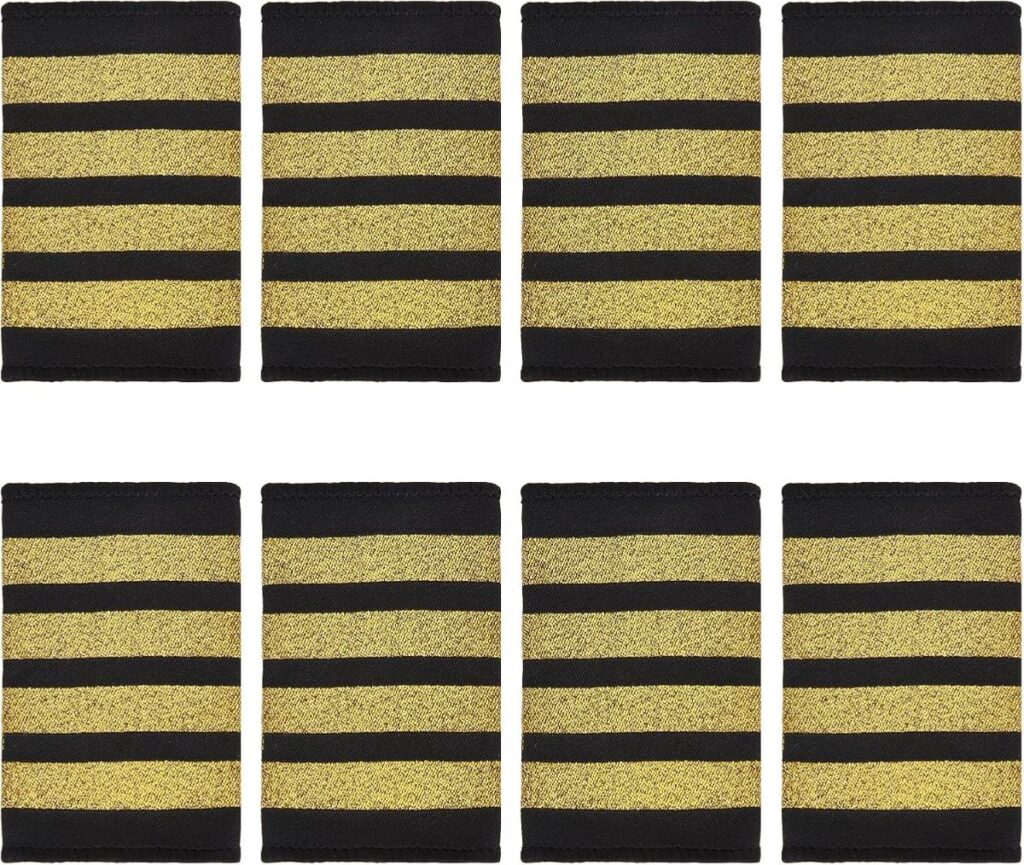
Material durability is crucial in determining whether shoulder boards maintain their appearance and function through years of service. Uniforms face constant stress from daily wear, weather exposure, and repeated cleaning cycles. Shoulder boards constructed from inferior materials quickly show signs of deterioration—frayed edges, faded colors, and warped shapes that undermine the professional image they’re meant to project. For instance, durability materials work pants knee pad are a great example of how material quality can impact longevity.
The Impact of Choosing the Right Shoulder Board
The Importance of Choosing the Right Shoulder Board for Your Uniform Design becomes evident when considering long-term use. High-quality materials like reinforced fabrics, corrosion-resistant metals, and colorfast embroidery threads resist degradation from sunlight, moisture, and physical abrasion. Military personnel operating in harsh climates need shoulder boards that perform equally well in desert heat and arctic cold. Understanding the specific material properties can help make an informed decision.
The Connection Between Wearer Comfort and Job Performance
Wearer comfort directly affects job performance and morale. Rigid or poorly designed shoulder boards create pressure points, restrict movement, and cause discomfort during extended shifts. Personnel who spend hours in vehicles, perform physical tasks, or wear body armor require shoulder boards that flex naturally with body movements.
Ergonomic Design Considerations
Ergonomic design considerations include:
- Weight distribution to prevent shoulder strain
- Breathable backing materials that reduce heat buildup
- Smooth edges and secure attachments that won’t snag on equipment
- Flexible construction that accommodates different body types
Balancing these factors ensures shoulder boards enhance rather than hinder the wearer’s ability to perform their duties effectively. Additionally, it’s essential to consider how ergonomic factors can significantly improve comfort and functionality in such uniform accessories.
How Do Organizational Regulations Impact the Choice of Shoulder Boards?
Uniform regulations dictate every aspect of shoulder board selection, from dimensions to design elements. Most military branches, law enforcement agencies, and formal institutions maintain detailed specifications that govern acceptable shoulder board characteristics, leaving little room for personal interpretation.
Organizations typically establish compliance standards covering:
- Precise measurements for length and width
- Approved color schemes matching service branches or departments
- Specific materials and construction methods
- Authorized insignia types and positioning
Insignia placement follows strict protocols that determine exact distances from edges, orientation angles, and spacing between multiple elements. A naval officer’s shoulder board, for example, requires rank stripes positioned at standardized intervals, while aviation units may mandate wing emblems at specific coordinates.
The attachment method matters equally—some services require slip-on boards with loops, while others mandate button-fastened or Velcro-secured designs. These specifications ensure uniformity across thousands of personnel and prevent confusion during operations.
Non-compliance carries serious consequences. Wearing incorrect shoulder boards can result in formal reprimands, denial of promotion opportunities, or removal from ceremonial duties. In operational settings, improper insignia creates identification problems that compromise chain-of-command clarity. Military academies and training facilities enforce these standards rigorously, treating violations as breaches of professional conduct that undermine institutional integrity.
What Do Shoulder Boards Symbolize in Uniform Design?
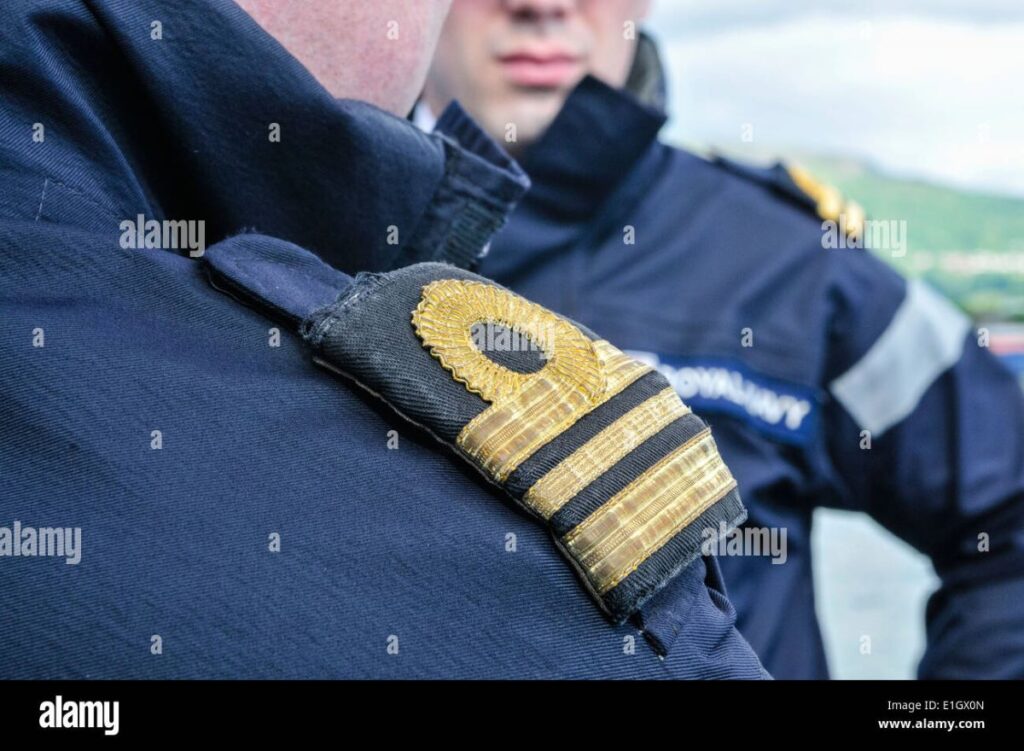
Shoulder boards are more than just practical accessories on uniforms; they hold deep meanings and represent traditions and heritage. Military organizations around the world use specific colors, patterns, and decorations on shoulder boards to pay homage to important historical events, founding principles, or notable acts of service.
Historical Influence on Shoulder Board Design
For example, the British Royal Navy’s gold-braided shoulder boards have their roots in 18th-century naval customs. Similarly, different branches of the U.S. military have their own unique color combinations that instantly indicate which service they belong to. The Chief Petty Officers’ uniforms in the U.S. Navy serve as a prime example of how shoulder board design reflects military tradition.
Creating Emotional Connections through Symbolism
The meaning behind these design choices goes beyond aesthetics. It establishes a bond between those who wear the uniforms and the history of their organization. By carefully choosing shoulder board designs that honor this legacy while also meeting modern production standards and durability needs, uniform designers can create pieces that resonate with current service members.
Honoring Sacrifice and Milestones
Police departments often incorporate shoulder board designs that pay tribute to fallen officers or commemorate significant moments in their history. This transforms an ordinary part of a uniform into a heartfelt tribute, reminding both the wearer and those around them of the sacrifices made by individuals within the department.
Boosting Team Spirit and Personal Pride
The symbolism behind shoulder boards has a direct impact on how well units work together and how motivated individuals feel. When members proudly display insignia representing their organization’s values and accomplishments, it serves as a constant reminder of the standards they strive to uphold.
Fostering Professional Identity
Aviation crews, security personnel, maritime officers – all these professions cultivate strong connections between their respective fields and the specific designs featured on their uniforms’ shoulder boards. Striking a balance between honoring traditional elements while adapting to contemporary needs ensures that these symbols remain relevant across generations of service members.
Conclusion
Choosing the right shoulder board for your uniform design is crucial for several reasons:
- Clear identification: Well-designed shoulder boards allow for immediate recognition of rank and role, facilitating effective communication during operations.
- Uniform cohesion: Consistent shoulder boards create a professional image that upholds organizational standards and discipline.
- Comfort and durability: Comfortable yet sturdy shoulder boards ensure that wearers can carry out their duties without distractions or equipment failures.
- Regulatory compliance: Adhering to regulations regarding shoulder boards protects individuals and institutions from formal violations.
- Symbolic connection**: Incorporating symbolic elements in shoulder board design links current members to historical traditions, fostering pride and a sense of shared identity.
Each of these factors—practical function, cultural meaning—highlights the importance of carefully selecting shoulder boards. The right choice not only enhances individual performance but also promotes collective unity within uniformed services.